



The automotive world has long been captivated by the allure of high-performance engines, and few powertrains have garnered as much attention as the Hellcat motor. Originating from the Dodge brand, the Hellcat engine is renowned for its supercharged V8 configuration, delivering an exhilarating driving experience that has redefined the standards of muscle cars. The idea of swapping a Hellcat motor into a different vehicle has become increasingly popular among car enthusiasts seeking to elevate their rides to unprecedented levels of power and performance.
This article delves into the intricacies of a Hellcat motor swap, exploring its benefits, considerations, and the steps necessary to achieve a successful installation. The Hellcat engine, with its impressive specifications—typically a 6.2-liter supercharged HEMI V8—produces upwards of 700 horsepower and 650 lb-ft of torque. This level of performance not only enhances acceleration but also transforms the driving dynamics of any vehicle it is installed in.
As enthusiasts look to breathe new life into classic cars or underpowered modern vehicles, the Hellcat motor swap presents an enticing opportunity to harness this raw power. However, such an undertaking requires careful planning and execution, as it involves more than just dropping in a new engine; it necessitates a comprehensive understanding of the vehicle’s systems and compatibility.

Benefits of Upgrading to a Hellcat Motor
One of the most compelling reasons to upgrade to a Hellcat motor is the sheer power it brings to the table. The Hellcat engine’s supercharged design allows for rapid acceleration and impressive top speeds, making it a favorite among those who crave adrenaline-fueled driving experiences. For instance, when installed in a classic muscle car like a 1970 Dodge Charger, the Hellcat motor can transform a nostalgic ride into a modern powerhouse, capable of competing with contemporary supercars.
This upgrade not only enhances performance but also adds a unique character to the vehicle, merging classic aesthetics with cutting-edge technology. In addition to raw power, upgrading to a Hellcat motor can significantly improve the overall driving experience. The engine’s advanced engineering includes features such as variable valve timing and an efficient fuel injection system, which contribute to smoother power delivery and better throttle response.
This means that drivers can enjoy not only the thrill of acceleration but also improved handling and control. Furthermore, the Hellcat engine is designed to operate efficiently under various conditions, making it suitable for both daily driving and high-performance scenarios. The versatility of the Hellcat motor allows enthusiasts to enjoy their vehicles in a wide range of settings, from casual cruising to track days.
Considerations Before Swapping to a Hellcat Motor

Before embarking on a Hellcat motor swap, several critical considerations must be taken into account. First and foremost is compatibility with the existing vehicle. Not all cars are designed to accommodate such a powerful engine, and modifications may be necessary to ensure proper fitment.
This includes evaluating the engine bay dimensions, transmission compatibility, and drivetrain components. For example, a vehicle originally equipped with a smaller V6 engine may require significant structural reinforcements to handle the increased torque and power output of the Hellcat motor. Another important factor is the vehicle’s supporting systems, including cooling, exhaust, and electrical systems.
The Hellcat engine generates substantial heat due to its high-performance nature, necessitating an upgraded cooling system to prevent overheating during operation. Additionally, the exhaust system must be capable of handling the increased flow from the supercharged engine, which may involve custom fabrication or aftermarket upgrades. The electrical system also requires careful consideration; the Hellcat motor utilizes advanced technology that may not be compatible with older vehicles’ wiring harnesses or control modules.
Ensuring that all these systems work harmoniously is crucial for achieving optimal performance and reliability.
Steps for Successfully Completing a Hellcat Motor Swap
| Step | Description |
|---|---|
| 1 | Research and gather necessary parts and tools |
| 2 | Prepare the vehicle for the motor swap |
| 3 | Remove the old motor from the vehicle |
| 4 | Install the Hellcat motor into the vehicle |
| 5 | Connect all necessary components and wiring |
| 6 | Test the motor to ensure proper functionality |
| 7 | Make any necessary adjustments or modifications |
| 8 | Finalize the installation and perform a thorough inspection |
Successfully completing a Hellcat motor swap involves several methodical steps that require both technical expertise and careful planning. The first step is thorough research and preparation. This includes gathering all necessary components, such as the engine itself, transmission, wiring harnesses, and any additional parts required for installation.
It is advisable to source these components from reputable suppliers or salvage yards specializing in high-performance parts to ensure quality and compatibility. Once all components are acquired, the next step is to prepare the vehicle for the swap. This typically involves removing the existing engine and transmission, which can be a labor-intensive process requiring specialized tools and equipment.
Careful attention should be paid during this phase to avoid damaging any surrounding components or systems. After removing the old engine, modifications may be necessary to accommodate the Hellcat motor. This could include fabricating new engine mounts or modifying the subframe for proper fitment.
With the vehicle prepared, the installation of the Hellcat motor can commence. This process involves carefully positioning the engine into the engine bay and securing it in place using appropriate mounts. Once installed, connecting the transmission and ensuring proper alignment is crucial for optimal performance.
Following this, attention turns to integrating the wiring harnesses and ensuring that all electrical connections are secure and functional. Finally, installing an upgraded cooling system and exhaust setup will complete the installation process.
Performance Enhancements and Potential Challenges
The performance enhancements gained from a Hellcat motor swap are substantial and can dramatically alter a vehicle’s capabilities on both the street and track. With its supercharged design, drivers can expect blistering acceleration times that rival some of the fastest production cars available today. For instance, vehicles equipped with a Hellcat motor can achieve 0-60 mph times in well under four seconds, providing an exhilarating experience that few can match.
However, with great power comes great responsibility—and potential challenges. One significant challenge is managing the increased power output effectively. This includes ensuring that the drivetrain components—such as axles, differential, and suspension—are capable of handling the added stress without failure.
Upgrading these components may be necessary to prevent premature wear or catastrophic failure during spirited driving or racing scenarios. Another challenge lies in tuning the engine for optimal performance. The Hellcat motor features sophisticated engine management systems that require precise calibration to ensure smooth operation across various driving conditions.
This often necessitates working with experienced tuners who understand how to extract maximum performance while maintaining reliability. Additionally, drivers must be prepared for increased fuel consumption due to the engine’s high-performance nature; this can impact daily driving costs and should be factored into overall ownership considerations.
Unleashing the Power of a Hellcat Motor
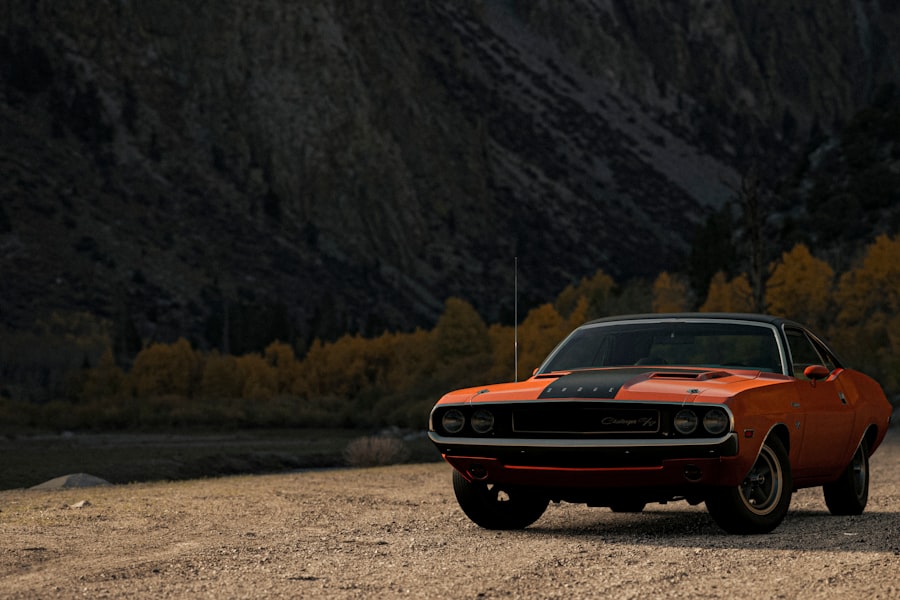
The allure of swapping in a Hellcat motor is undeniable for automotive enthusiasts seeking unparalleled performance and excitement behind the wheel. With its impressive power output and advanced engineering features, the Hellcat engine represents a pinnacle of modern muscle car technology that can breathe new life into virtually any compatible vehicle. However, undertaking such a project requires careful planning, technical expertise, and an understanding of both the benefits and challenges involved.
As enthusiasts embark on this journey, they must remain mindful of compatibility issues, supporting systems upgrades, and tuning requirements to ensure a successful swap that delivers on its promise of exhilarating performance. Ultimately, unleashing the power of a Hellcat motor not only transforms a vehicle but also elevates the driving experience to new heights—one that embodies speed, thrill, and an unmistakable connection between man and machine.


