



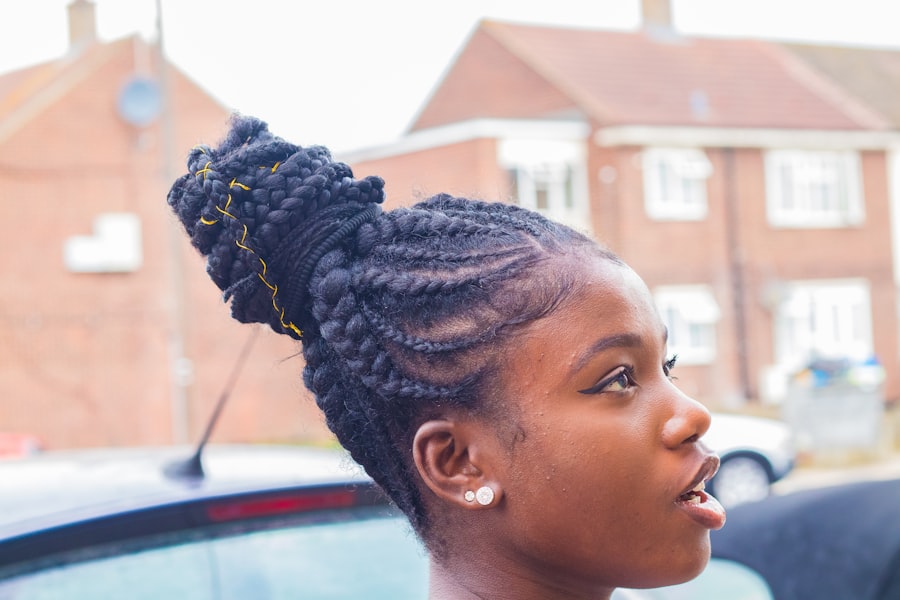
Box braids feed-in is a popular hairstyle that combines the classic box braid technique with a method of gradually adding hair extensions to create a seamless and natural look. This technique allows for a more gradual transition from the natural hair to the added extensions, which can result in a more polished appearance. The feed-in method is particularly favored for its ability to reduce bulk at the roots, making the braids appear more natural and less heavy.
This style is versatile, allowing for various lengths, thicknesses, and colors, making it suitable for different occasions and personal styles. The feed-in technique involves incorporating small sections of hair extensions into the braid as you work your way down. This method not only enhances the overall aesthetic but also minimizes tension on the scalp, which can be a concern with traditional box braids that start with a full section of extension hair.
The result is a hairstyle that is not only visually appealing but also more comfortable to wear over extended periods. Box braids feed-in can be styled in numerous ways, from updos to loose styles, making them a favorite among those looking for both beauty and practicality.

How to Prepare Your Hair for Box Braids Feed In
Clean and Conditioned Hair
The first step in this preparation process is to ensure that your natural hair is clean and well-conditioned. Washing your hair with a gentle shampoo followed by a deep conditioning treatment will help to remove any product buildup and provide moisture. This step is essential because clean hair allows for better grip when braiding and helps prevent breakage.
Detailed Detangling
After washing, it’s advisable to detangle your hair thoroughly using a wide-tooth comb or a detangling brush, starting from the ends and working your way up to the roots. Once your hair is clean and detangled, it’s important to consider how you will section your hair for the braiding process.
Sectioning and Protecting
Depending on the size of the box braids you desire, you may want to create larger or smaller sections. Using hair clips or bands can help keep the sections organized while you work. Additionally, applying a leave-in conditioner or a light oil can provide extra moisture and protection for your strands. This preparation not only enhances the health of your hair but also makes the braiding process smoother and more efficient.
Choosing the Right Hair Extensions for Box Braids Feed In
Selecting the right hair extensions is vital for achieving the desired look and feel of box braids feed-in. There are various types of hair extensions available, including synthetic and human hair options. Synthetic hair is often more affordable and comes in a wide range of colors and textures, making it an attractive choice for those looking to experiment with different styles without a significant financial commitment.
However, synthetic hair can be less durable than human hair and may not blend as seamlessly with natural hair textures. On the other hand, human hair extensions offer a more natural appearance and can be styled with heat tools, allowing for greater versatility. When choosing extensions, consider factors such as texture, length, and color.
It’s essential to select extensions that closely match your natural hair texture to ensure a cohesive look. Additionally, opting for pre-stretched or pre-layered extensions can save time during the braiding process and reduce bulk at the roots. Ultimately, the choice of extensions will depend on personal preference, budget, and desired style.
The Step-by-Step Process of Creating Box Braids Feed In
| Step | Description |
|---|---|
| 1 | Start with clean, detangled hair |
| 2 | Part the hair into small sections |
| 3 | Take a small piece of extension hair and feed it into the natural hair |
| 4 | Begin braiding the hair, incorporating the extension hair as you go |
| 5 | Continue braiding until the end of the hair |
| 6 | Secure the end of the braid with a rubber band or hair tie |
| 7 | Repeat the process for each section of hair |
Creating box braids feed-in involves several steps that require patience and precision. The first step is to section your prepared hair into manageable parts. Using a rat-tail comb, create clean parts that are uniform in size; this will help achieve an even look throughout the hairstyle.
Once you have your sections ready, it’s time to start the braiding process. Begin with one section of hair, taking a small piece of extension hair that matches your chosen color and texture. To start the braid, divide your natural hair into three equal strands.
Place the extension hair in between two of these strands, ensuring it is secure at the root. Begin braiding by crossing the outer strands over the middle strand while incorporating more extension hair as you go along. This gradual addition of hair is what distinguishes the feed-in method from traditional box braiding techniques.
Continue this process until you reach the desired length of the braid, ensuring that each addition of extension hair is smooth and blends seamlessly with your natural hair. As you work through each section, it’s important to maintain consistent tension without pulling too tightly on the scalp. This will help prevent discomfort and potential damage to your natural hair.
Once all sections are braided, you can choose to seal the ends with hot water or leave them as they are, depending on your preference for styling.
Styling and Maintaining Box Braids Feed In
Once your box braids feed-in are complete, there are numerous styling options available that can enhance your overall look. You can wear them down for a casual vibe or pull them into an elegant updo for more formal occasions. Accessories such as beads or cuffs can be added to individual braids for an extra touch of flair.
Additionally, experimenting with different parting styles—such as center parts or side parts—can completely change your appearance without altering the braids themselves. Maintaining box braids feed-in is essential for keeping them looking fresh and ensuring the health of your natural hair underneath. Regularly moisturizing your scalp with lightweight oils or specialized braid sprays can help prevent dryness and itchiness.
It’s also advisable to cover your braids with a silk or satin scarf at night to reduce friction while sleeping, which can lead to frizz and breakage over time. Washing your scalp gently with diluted shampoo every few weeks can help keep it clean without disturbing the braids too much.
Tips for Protecting Your Hair and Scalp with Box Braids Feed In

Protecting your hair and scalp while wearing box braids feed-in is crucial for maintaining healthy strands and preventing damage. One effective strategy is to ensure that you do not keep the braids in for too long; typically, it’s recommended to wear them for no longer than six to eight weeks. Prolonged wear can lead to matting at the roots and increased tension on the scalp, which may result in traction alopecia over time.
In addition to monitoring wear time, consider incorporating regular scalp massages into your routine while wearing box braids. This practice stimulates blood circulation to the scalp, promoting healthy growth and alleviating any tension caused by tight braiding. Using natural oils such as jojoba or castor oil during these massages can further enhance their benefits by providing nourishment directly to the scalp.
Lastly, always listen to your body; if you experience discomfort or excessive itching while wearing box braids feed-in, it may be time to remove them or consult with a professional stylist for advice on how to alleviate these issues. By taking these protective measures, you can enjoy beautiful box braids feed-in while ensuring that your natural hair remains healthy and vibrant underneath.


