



Grand Canyon National Park, one of the most iconic natural wonders in the United States, is a breathtaking expanse that showcases the power of geological forces over millions of years. Spanning approximately 1,904 square miles, the park is home to a vast chasm carved by the Colorado River, revealing layers of rock that tell a story of Earth’s history dating back nearly two billion years. The canyon itself stretches about 277 miles in length, with depths reaching over a mile in some areas.
Visitors are often awestruck by the sheer scale and beauty of the canyon, which features a palette of colors that shift dramatically with the changing light throughout the day. The park offers a plethora of activities for outdoor enthusiasts and nature lovers alike. Hiking is one of the most popular ways to experience the Grand Canyon, with trails ranging from easy rim walks to challenging descents into the canyon itself.
The Bright Angel Trail and South Kaibab Trail are two of the most well-known routes, providing stunning views and a chance to experience the diverse ecosystems that thrive within the canyon. For those seeking a more leisurely experience, the Grand Canyon Skywalk—a glass bridge extending over the canyon’s edge—offers a unique perspective, allowing visitors to look straight down into the depths below. Additionally, river rafting on the Colorado River provides an exhilarating way to explore the canyon from its base, navigating through rapids and taking in the towering cliffs that rise above.

Sedona’s Red Rock Country
Sedona’s Red Rock Country is a mesmerizing landscape characterized by its striking red sandstone formations, which have become synonymous with the region’s natural beauty. The vibrant hues of the rocks, particularly during sunrise and sunset, create a stunning visual spectacle that attracts photographers, artists, and nature lovers from around the globe. The area is not only known for its geological wonders but also for its spiritual significance; many believe that Sedona is a vortex of energy that promotes healing and meditation.
This has led to a thriving community of wellness practitioners and spiritual seekers who flock to the area in search of rejuvenation. Outdoor activities abound in Sedona, making it a haven for adventure seekers. Hiking trails such as Cathedral Rock and Bell Rock offer breathtaking views and opportunities for exploration.
The trails vary in difficulty, catering to both casual walkers and seasoned hikers. Mountain biking is another popular activity, with numerous trails winding through the red rock formations and providing exhilarating rides amidst stunning scenery. For those looking to experience Sedona from a different perspective, hot air balloon rides offer a bird’s-eye view of the majestic landscape, allowing visitors to appreciate the vastness and beauty of the area from above.
The combination of natural beauty and outdoor adventure makes Sedona’s Red Rock Country a must-visit destination for anyone traveling through Arizona.
Monument Valley Navajo Tribal Park
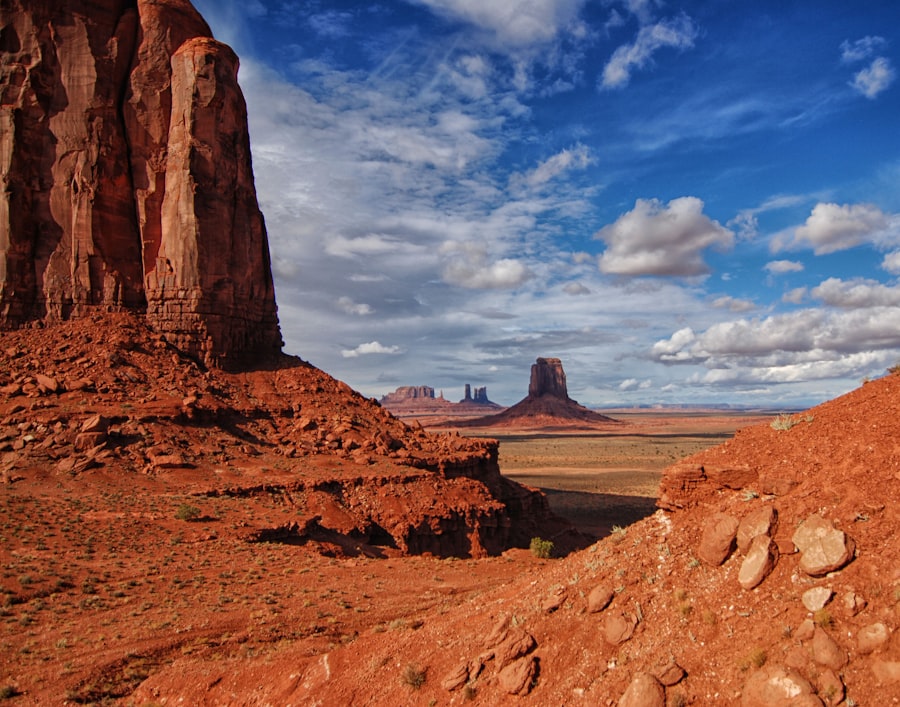
Monument Valley Navajo Tribal Park is an iconic symbol of the American West, characterized by its towering sandstone buttes and mesas that rise dramatically from the desert floor. Located on the Navajo Nation Reservation, this stunning landscape has been featured in countless films and photographs, capturing the imagination of people worldwide. The park covers over 91,000 acres and is home to some of the most recognizable geological formations in the United States, including the famous Mittens—two towering buttes that stand sentinel over the valley.
The unique red rock formations are not only visually striking but also hold deep cultural significance for the Navajo people, who have inhabited this land for generations. Visitors to Monument Valley can explore this breathtaking landscape through guided tours led by Navajo guides who share their knowledge of the land’s history and cultural importance. These tours often include visits to hidden gems within the park, such as ancient petroglyphs and secluded canyons that are not accessible by standard vehicles.
Photography enthusiasts will find endless opportunities to capture stunning images of the dramatic landscapes, particularly during sunrise and sunset when the colors of the rocks come alive. Additionally, visitors can immerse themselves in Navajo culture by participating in traditional ceremonies or enjoying authentic Navajo cuisine at local eateries. Monument Valley serves as both a natural wonder and a cultural treasure, offering a unique glimpse into the rich heritage of the Navajo Nation.
Saguaro National Park
| Category | Data/Metrics |
|---|---|
| Location | Arizona, United States |
| Area | 91,442 acres |
| Visitors (2019) | 1,020,113 |
| Established | October 14, 1994 |
| Annual Precipitation | 12 inches |
Saguaro National Park is renowned for its iconic saguaro cacti, which can grow to be over 40 feet tall and live for more than 150 years. Located near Tucson, Arizona, this national park encompasses over 91,000 acres of desert landscape filled with diverse flora and fauna. The saguaro cactus is not only a symbol of the American Southwest but also plays a crucial role in the desert ecosystem, providing habitat and food for various wildlife species.
The park is divided into two districts: Saguaro East and Saguaro West, each offering unique landscapes and opportunities for exploration. Visitors to Saguaro National Park can engage in a variety of outdoor activities that highlight the beauty of this desert environment. Hiking trails range from easy walks suitable for families to more challenging routes that lead to stunning vistas overlooking the surrounding landscape.
The Cactus Forest Loop Drive offers a scenic drive through fields of towering saguaros, providing ample opportunities for photography and wildlife viewing. Birdwatchers will find Saguaro National Park particularly rewarding, as it is home to numerous bird species, including Gambel’s quail and cactus wrens. The park also hosts educational programs and ranger-led activities that delve into the unique ecology of the Sonoran Desert, making it an excellent destination for those interested in learning more about this remarkable environment.
Antelope Canyon
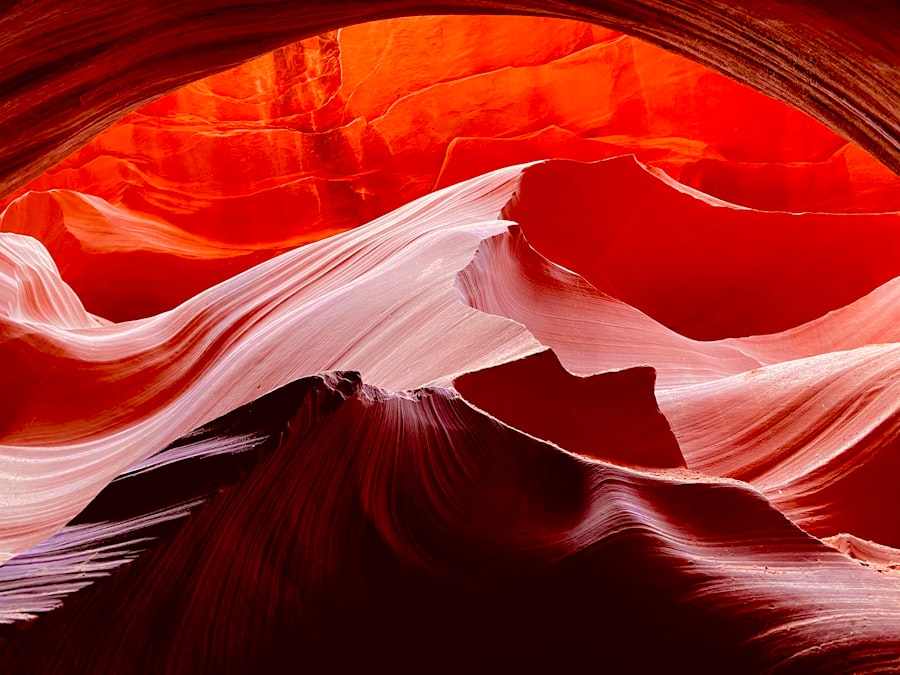
Antelope Canyon is a slot canyon located near Page, Arizona, known for its stunning wave-like structure and vibrant colors that create an otherworldly atmosphere. Formed by flash flooding and erosion over thousands of years, Antelope Canyon consists of two main sections: Upper Antelope Canyon and Lower Antelope Canyon. Each section offers a unique experience; Upper Antelope Canyon is famous for its light beams that shine down into the canyon during certain times of day, creating ethereal displays that attract photographers from around the world.
In contrast, Lower Antelope Canyon features narrow passageways and intricate rock formations that provide an adventurous exploration experience. Accessing Antelope Canyon requires guided tours due to its location on Navajo land. These tours are led by knowledgeable guides who share insights into the canyon’s geology and cultural significance while ensuring visitor safety.
Photographers often flock to Antelope Canyon during midday when sunlight filters through the narrow openings above, illuminating the canyon walls in shades of orange, red, and purple. The interplay of light and shadow creates dramatic contrasts that enhance the canyon’s natural beauty. Visitors are encouraged to bring their cameras to capture these breathtaking moments; however, it’s essential to be mindful of other guests as space can be limited within the narrow confines of the canyon.
Antelope Canyon stands as a testament to nature’s artistry, offering an unforgettable experience for all who venture within its walls.
Arizona-Sonora Desert Museum
The Arizona-Sonora Desert Museum is a unique blend of zoo, botanical garden, art gallery, and natural history museum located just outside Tucson. Spanning 98 acres, this institution provides an immersive experience into the diverse ecosystems found within the Sonoran Desert. Visitors can explore various exhibits showcasing native plants and animals while learning about conservation efforts aimed at preserving this fragile environment.
The museum’s design emphasizes outdoor exploration, with pathways winding through lush desert landscapes filled with cacti, wildflowers, and native wildlife. One of the highlights of the Arizona-Sonora Desert Museum is its commitment to education and conservation. The museum offers numerous programs aimed at raising awareness about desert ecosystems and their inhabitants.
Interactive exhibits allow visitors to engage with live animals such as javelinas, bobcats, and various bird species while learning about their roles in maintaining ecological balance. Additionally, art installations throughout the museum celebrate both natural beauty and cultural heritage, showcasing works by local artists inspired by the desert landscape. The Arizona-Sonora Desert Museum serves as an essential resource for understanding and appreciating one of North America’s most unique environments while fostering a sense of stewardship for future generations.


