



Foam insulation is a critical component in modern construction and energy efficiency strategies. It is a material that provides thermal resistance, effectively reducing heat transfer between the interior and exterior of buildings. This insulation type is composed of various polymers, primarily polyurethane or polystyrene, which are expanded to create a lightweight, yet effective barrier against temperature fluctuations.
The unique cellular structure of foam insulation traps air, which is a poor conductor of heat, thereby enhancing its insulating properties. This characteristic makes foam insulation particularly effective in both residential and commercial applications, where maintaining a stable indoor climate is essential for comfort and energy savings. The application of foam insulation extends beyond mere thermal resistance; it also plays a significant role in soundproofing and moisture control.
The dense structure of foam can absorb sound waves, making it an excellent choice for spaces where noise reduction is desired, such as recording studios or multi-family dwellings. Additionally, certain types of foam insulation are designed to be moisture-resistant, preventing the growth of mold and mildew, which can compromise indoor air quality and structural integrity. Understanding these multifaceted benefits is crucial for homeowners and builders alike when considering insulation options for new constructions or renovations.

Types of Foam Insulation
There are several types of foam insulation available on the market, each with its unique properties and applications. The most common types include open-cell foam and closed-cell foam. Open-cell foam is characterized by its soft, flexible structure, which allows air to fill the cells.
This type of foam is typically used in interior applications, such as wall cavities and attics, where it can expand to fill gaps and provide excellent sound absorption. Open-cell foam has a lower R-value per inch compared to closed-cell foam, but its ability to allow moisture vapor to pass through makes it suitable for areas where breathability is essential. In contrast, closed-cell foam features a rigid structure with cells that are completely closed off from one another.
This type of foam is denser and provides a higher R-value per inch, making it ideal for applications requiring superior thermal resistance. Closed-cell foam is often used in exterior applications, such as roofing systems and foundation walls, where its moisture barrier properties can prevent water infiltration. Additionally, closed-cell foam adds structural integrity to buildings due to its rigidity, making it a popular choice for commercial construction projects.
Another notable type of foam insulation is spray foam insulation, which can be either open-cell or closed-cell. Spray foam insulation is applied as a liquid that expands upon contact with surfaces, allowing it to conform to irregular shapes and fill gaps effectively. This versatility makes spray foam an excellent choice for hard-to-reach areas and complex geometries in both new builds and retrofits.
Furthermore, spray foam insulation can create an airtight seal that significantly reduces air leakage, enhancing overall energy efficiency.
Benefits of Foam Insulation

The benefits of foam insulation extend far beyond simple thermal resistance; they encompass energy efficiency, comfort, and environmental impact. One of the most significant advantages is its ability to reduce energy consumption in buildings. By minimizing heat transfer through walls, roofs, and floors, foam insulation helps maintain a consistent indoor temperature, reducing the need for heating and cooling systems to work overtime.
This not only lowers energy bills but also decreases the carbon footprint associated with energy production. For instance, homes insulated with spray foam can see energy savings of up to 50% compared to those with traditional fiberglass insulation. In addition to energy efficiency, foam insulation contributes to enhanced indoor comfort.
The airtight seal created by spray foam insulation prevents drafts and cold spots, ensuring that every room maintains a consistent temperature. This is particularly beneficial in climates with extreme temperature variations, where maintaining comfort can be challenging without adequate insulation. Moreover, the sound-dampening properties of open-cell foam can create a quieter living environment by reducing noise transmission from outside or between rooms within the home.
Another critical benefit of foam insulation is its durability and longevity. Unlike traditional insulation materials that may sag or settle over time, foam insulation maintains its shape and effectiveness for decades when properly installed. This longevity translates into lower maintenance costs and fewer replacements over the lifespan of the building.
Additionally, many foam insulation products are resistant to pests such as rodents and insects, further enhancing their durability and effectiveness as a long-term solution.
How to Install Foam Insulation
| Step | Description |
|---|---|
| 1 | Measure and cut the foam insulation to fit the area |
| 2 | Clean the surface where the foam insulation will be installed |
| 3 | Apply adhesive to the back of the foam insulation |
| 4 | Press the foam insulation firmly onto the surface |
| 5 | Seal any gaps or seams with foam insulation sealant |
Installing foam insulation requires careful planning and execution to ensure optimal performance and safety. The installation process varies depending on the type of foam being used—spray foam or rigid board—but there are general steps that apply across the board. For spray foam insulation, it is essential to prepare the area by cleaning surfaces and ensuring they are free from debris or moisture.
Proper ventilation is also crucial during installation since the chemicals used in spray foam can release volatile organic compounds (VOCs) that may be harmful if inhaled in large quantities. Once the area is prepared, the application of spray foam begins with the use of specialized equipment that mixes the two components of the foam—polyol resin and isocyanate—before spraying it onto surfaces. The installer must apply the foam evenly and at the correct thickness to achieve the desired R-value.
It’s important to note that spray foam expands significantly after application; therefore, installers must account for this expansion to avoid overfilling cavities or creating uneven surfaces. For rigid board foam insulation, installation typically involves cutting panels to fit specific areas such as walls or roofs. These panels can be secured using adhesive or mechanical fasteners depending on the application.
It’s essential to ensure that seams between panels are sealed properly using tape or additional spray foam to prevent air leaks that could compromise the insulation’s effectiveness. Proper installation techniques are vital not only for achieving maximum thermal performance but also for ensuring compliance with building codes and safety regulations.
Maintaining Foam Insulation
Maintaining foam insulation is relatively straightforward compared to other types of insulation materials. One of the primary advantages of foam insulation is its resistance to moisture and pests; however, regular inspections are still necessary to ensure its continued effectiveness over time. Homeowners should periodically check areas where foam insulation has been installed for signs of damage or degradation.
This includes inspecting attics, crawl spaces, and basements where moisture accumulation could potentially compromise the integrity of the insulation. If any issues are detected—such as water damage or mold growth—prompt action should be taken to address the underlying cause before repairing or replacing the affected insulation. In some cases, it may be necessary to consult with a professional contractor who specializes in insulation to assess the situation accurately and recommend appropriate solutions.
Additionally, ensuring proper ventilation in areas where foam insulation is installed can help mitigate moisture buildup and prolong the lifespan of the material. Another aspect of maintaining foam insulation involves monitoring indoor air quality. While many types of foam insulation are designed to be low in VOCs, it’s still essential to ensure that any potential off-gassing does not negatively impact indoor air quality over time.
Homeowners can invest in air quality monitors or consider using air purifiers to maintain a healthy living environment. Regular maintenance checks not only help preserve the effectiveness of foam insulation but also contribute to overall home health.
Considerations When Choosing Foam Insulation
R-Value and Climate Zone Considerations
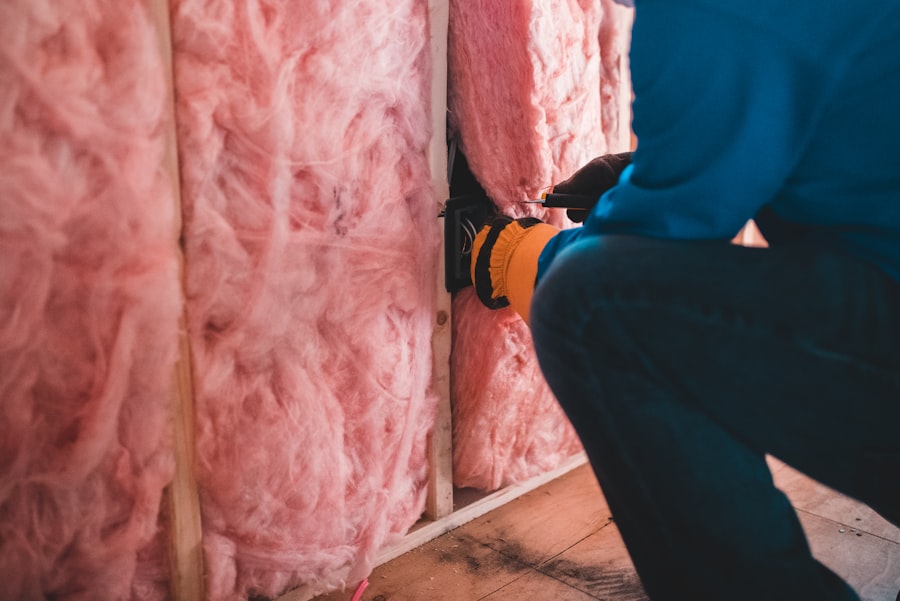
One critical consideration is the R-value, which measures thermal resistance; higher R-values indicate better insulating properties. Depending on the climate zone and building design, homeowners may need different R-values for various areas of their homes. For instance, attics typically require higher R-values than walls due to heat rising naturally.
Type of Application and Cost Considerations
Another important factor is the type of application—whether it’s new construction or retrofitting an existing structure—since this will influence the choice between spray foam and rigid board options. Spray foam may be more suitable for complex geometries or hard-to-reach areas due to its ability to expand and fill gaps effectively. Conversely, rigid board may be preferred for flat surfaces like walls or roofs where uniformity is desired. Cost considerations also play a significant role in choosing foam insulation. While spray foam tends to have a higher upfront cost compared to traditional materials like fiberglass batts or rigid boards, its long-term energy savings can offset this initial investment over time.
Environmental Impact and Sustainability
Homeowners should not overlook the environmental impact when selecting insulation materials. Many manufacturers now offer eco-friendly options made from renewable resources or those with low global warming potential (GWP). By choosing sustainable products, homeowners can contribute positively to environmental conservation while still achieving high-performance insulation solutions for their homes.


